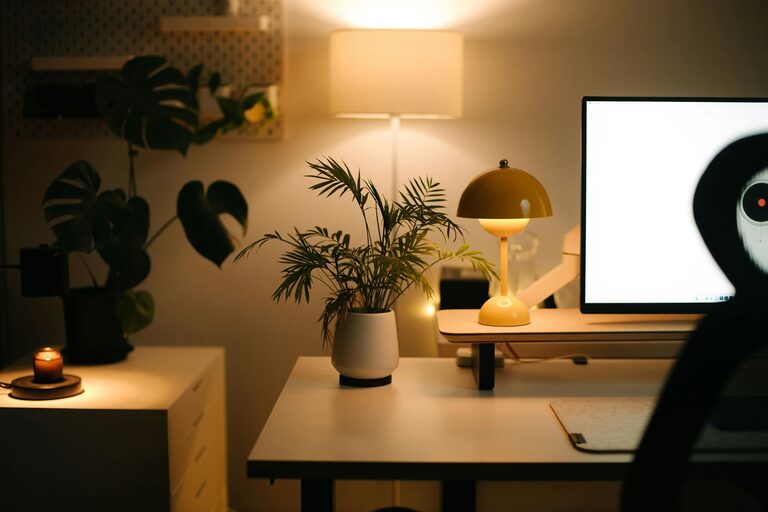
Creating a relaxing and efficient home workspace is essential for anyone working remotely or spending significant time at home. A well-designed workspace can enhance your focus, reduce stress, and improve overall comfort, making it easier to stay productive. Here are some practical tips to help you create an environment that supports both relaxation and work performance.
Choose the Right Location
Where you set up your workspace can make a big difference. Ideally, pick a quiet spot with minimal distractions. If possible, select a room or corner that receives natural light, as sunlight is proven to boost mood and energy levels.
Consider These Factors:
– Distance from household noise
– Access to electrical outlets and internet
– Privacy for important calls or meetings
Invest in Comfortable Furniture
Comfort plays a key role in maintaining productivity during long work hours. A good chair and desk are fundamental.
Tips for Furniture Selection:
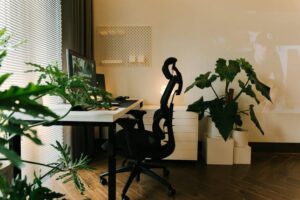
– Use an ergonomic chair that supports your back and encourages good posture.
– Select a desk at the right height to prevent strain on your wrists and shoulders.
– Consider a sit-stand desk if you want flexibility to switch between sitting and standing.
Keep Your Workspace Organized
Clutter can distract you and make it harder to concentrate. Maintaining a tidy, organized desk helps clear your mind.
Organization Tips:
– Use storage containers or drawers to keep supplies in order.
– Keep only essentials on your desk to minimize distractions.
– Allocate space for notebooks, pens, and digital devices.
Personalize Your Space
Adding a few personal touches can make your workspace more inviting and calming. However, be careful not to overdo it as too many items can create clutter.
Ideas for Personalization:
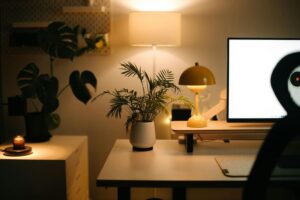
– Add a small plant to bring nature indoors and improve air quality.
– Hang inspiring artwork or motivational quotes nearby.
– Use calming colors like soft blues or greens to decorate the space.
Optimize Lighting
Proper lighting reduces eye strain and creates a pleasant atmosphere. Natural light is best, but you may need additional sources.
Lighting Suggestions:
– Position your desk near a window, if possible.
– Use adjustable LED lamps with warm light to avoid glare.
– Avoid overhead fluorescent lights that can be harsh and tiring.
Manage Noise Levels
Noise distractions can reduce your ability to focus and cause stress. Consider ways to control sound in your workspace.
Noise Reduction Ideas:
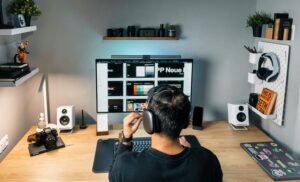
– Use noise-canceling headphones or play soft background music.
– Add rugs, curtains, or soft furnishings to absorb sound.
– Choose a room with minimal external noise.
Maintain Good Air Quality
Stale or poor air quality can affect concentration and comfort. Make sure your workspace is well-ventilated.
Air Quality Tips:
– Open windows regularly to let fresh air in.
– Use an air purifier if needed.
– Keep indoor plants that help improve air quality.
Establish Clear Boundaries
Defining your work area helps mentally separate work time from relaxation time.
Boundary Setting Tips:
– Inform other household members of your workspace and work schedule.
– Avoid working from your bed or couch to maintain a dedicated workspace.
– Close the workspace door when working to minimize interruptions.
Incorporate Break-Friendly Features
Taking breaks is essential to maintain productivity. Design your workspace to encourage short, rejuvenating pauses.
Break-Friendly Features:
– Keep a water bottle or tea nearby to stay hydrated.
– Have some light stretching equipment or space for a quick movement break.
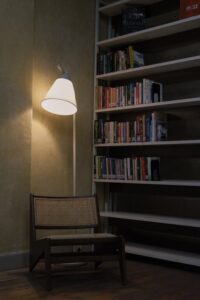
– Place a comfortable chair or cushion nearby for short relaxation moments.
Keep Technology Efficient and Streamlined
Technology tools should support your work, not slow you down.
Technology Tips:
– Use a reliable internet connection to avoid disruptions.
– Organize cables with clips or sleeves to prevent tangles.
– Ensure your computer, printer, and other devices are working well and regularly updated.
Conclusion
Designing a relaxing home workspace isn’t just about aesthetics—it’s about creating an environment that supports your well-being and productivity. By choosing the right location, investing in comfortable furniture, organizing thoughtfully, and adding personal touches, you can make your home office a place where work feels balanced and enjoyable. Try incorporating these tips, and notice how much more focused and comfortable your workdays become.